Best times to visit Thailand
Thailand can be visited year-round, but depending on the season, certain regions are preferable: find out when to go based on weather and the country's specific characteristics.
Thailand can be visited year-round, but certain regions will be more favorable than others depending on the season. Thailand is subject to three distinct seasons influenced by the southwest and northeast monsoons. We can distinguish:
- The rainy season from May to October;
- The dry season from November to February;
- The hot season from March to May.
It is also important to consider tourist seasons when planning to visit Thailand. The country experiences a very high tourist season, corresponding to the dry season, and a quieter low season.
When to visit Thailand based on weather?
The climate in Thailand is subject to the monsoon phenomenon, which creates an imbalance in weather patterns between the north, center, southeast and southwest regions of the country.
Climate in southeastern Thailand
The monsoon is present from October through December. The Gulf islands are best avoided if you wish to escape the rain. The best times to visit the beaches and islands of the east are January, February, March, and April.
If you travel to Thailand in July and August, it is preferable to choose the Gulf islands of Thailand rather than those in the southwest, in the Andaman Sea.
Climate in southwestern Thailand
The monsoon rages from June to August. The best times to visit the beaches and islands of the west are January, February, March, November, and December.
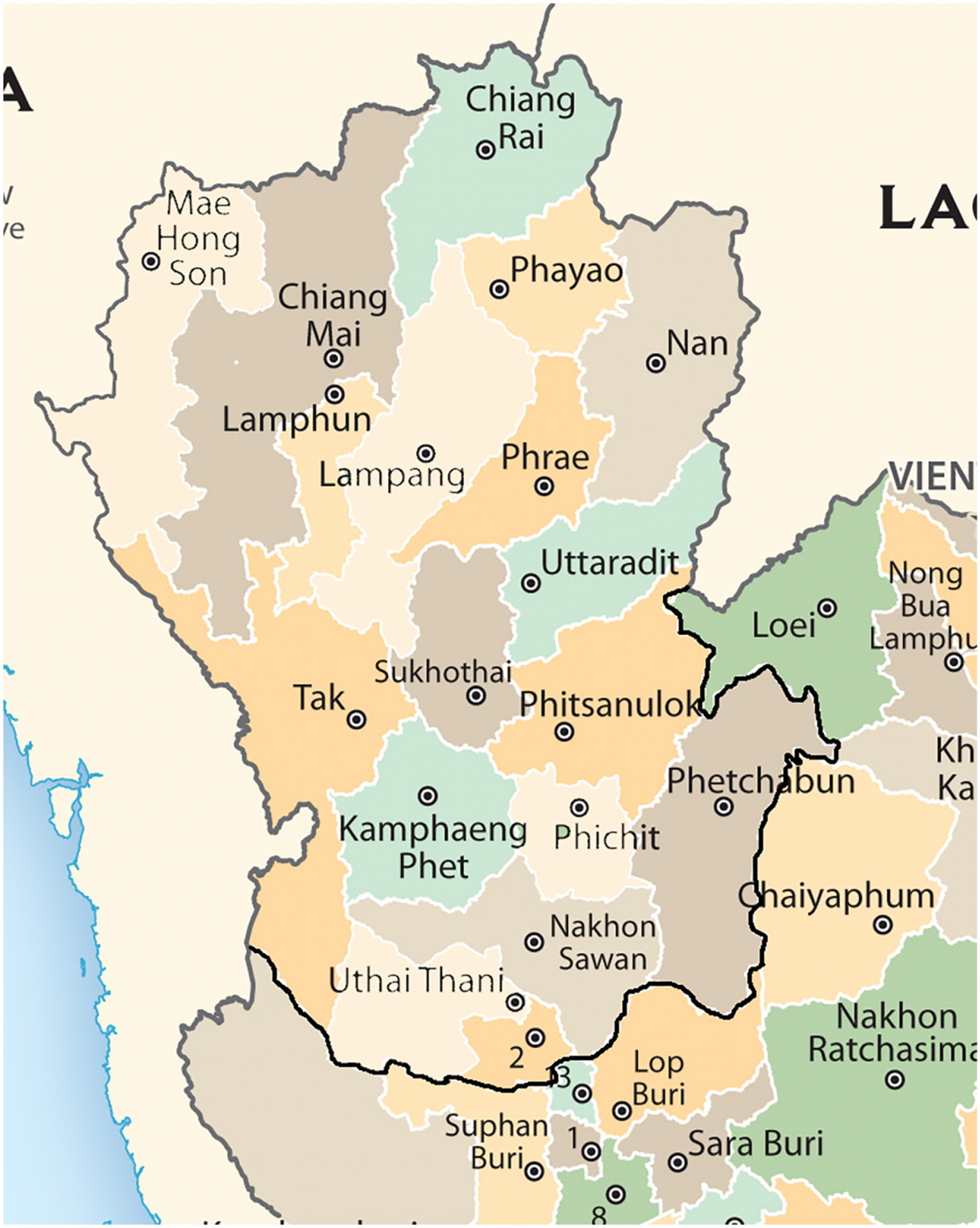
Climate in northern Thailand
Winter begins in November and ends in February. This is the ideal season for hiking and exploration, as precipitation is very low and temperatures are pleasant, even cool, especially in the highlands. During the day, the temperature does not exceed 25°C in Chiang Mai and can occasionally drop to 15°C. Heat sets in during March. You can find some relief in the highlands around Chiang Mai.
The rainy season begins in May/June and ends in October. The rice paddies are at their most beautiful during this time, and traveling in July remains feasible in the region. However, it is best to avoid September and the end of August when precipitation is heaviest.
Climate in northeastern Thailand
Including the Isan region and the Mekong River, northeastern Thailand is known for its long dry season, from November to April. Combined with pleasant and cool temperatures, this period is the ideal season to visit the region. Before the rainy season, this region experiences an extremely hot intermediate season. This begins at the end of March and gives way to the rainy season in May.
Climate in central Thailand
Central Thailand experiences three seasons: a cool season, a hot season, and a rainy season. Around Bangkok, temperatures hover around 30°C throughout the dry period. From March to June, temperatures rise and can approach 40°C—the best option is to relax by your hotel pool or enjoy air-conditioned shopping malls and visit the city in the morning or late afternoon when temperatures are cooler. Like all regions of Thailand, its climate is also affected by the monsoon between July and October. Weather alternates between sunshine and rain, heat and humidity. On each outing, remember to bring a raincoat or umbrella to protect yourself from the heavy afternoon downpours.
The month to avoid: A period of typhoons and heaviest precipitation, September should be avoided in all regions of Thailand.